
Saints for January 6
Ang listahan sa matag adlaw nagsunod sa edisyon sa Martirolohiyang Romano nga gipatik sa mga obispo sa Italya. I-download ang tibuok edisyon sa pinulongang Italyano (dakong PDF).
Kinatibuk-ang Kalendaryong Romano ug mga Dugang Alang sa Estados Unidos
Solemnity of the Epiphany of the Lord: General Roman Calendar
Sunday after January 1—The Epiphany of the Lord—Solemnity: Vietnam

The Magi followed a star to Bethlehem, where they knelt before the Christ Child and offered Him gold, frankincense, and myrrh. In their visit the Church celebrates the revelation of Christ to all nations. Read full reflection >>>
Saint André Bessette, Religious—Optional Memorial: USA
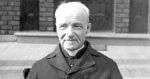
Brother André welcomed the sick and those seeking prayers at the door of the Collège Notre-Dame in Montreal. He encouraged them to turn to Saint Joseph, whose oratory on Mount Royal grew from a small chapel. Read full reflection >>>
Where Epiphany is transferred to Sunday, including the United States and Vietnam, it is celebrated between January 2 and 8.
Roman Martyrology for January 6
Ang Epipaniya sa Ginoo
The Magi came from the East to adore the newborn King. In their homage the Church sees Christ revealed to the nations (Matthew 2:1–12). Read full reflection >>>
Matthew 2 · Roman Martyrology (Italian), January 6, no. 1
Saints Julian and Basilissa, martyrs
Julian and Basilissa are venerated as martyrs at Antinoe in the Thebaid of Egypt. According to early Christian tradition, Basilissa embraced consecrated virginity, and Julian, inspired by faith, bore witness to Christ during persecution. Their martyrdom reflects the early Church’s reverence for those who remained steadfast in faith amid suffering, though historical details of their lives are limited.
Roman Martyrology (Italian), January 6, no. 2
Saint Félix, bishop of Nantes
Félix served as bishop of Nantes in Brittany and was distinguished for his pastoral zeal and civic concern. He oversaw the construction of the cathedral church and worked tirelessly to evangelize rural populations entrusted to his care. His episcopal ministry united practical charity with missionary outreach, strengthening Christian life in both the city and countryside.
Roman Martyrology (Italian), January 6, no. 3
Blessed Macarius, abbot
Macarius was the first abbot of the monastery of the Scots in Würzburg, founded for Irish and Scottish monks who carried monastic and missionary traditions into continental Europe. As abbot, he guided the community in prayer and discipline, contributing to the spread of learning and monastic stability in Franconia.
Roman Martyrology (Italian), January 6, no. 4
Saint Raymond of Penyafort, priest
The Martyrology records Raymond’s death in Barcelona on January 6, 1275. His liturgical memorial falls on January 7. Read full reflection >>>
Vatican News · Roman Martyrology (Italian), January 6, no. 5
Saint Pietro Tommaso, Carmelite, patriarch of Constantinople
A Carmelite friar, Peter Thomas became bishop of Constantinople and served as papal legate in the East during a time of complex political and ecclesiastical tensions. He labored for unity, peace, and reform, carrying out diplomatic missions on behalf of the Roman Pontiff. His death at Famagusta marked the end of a life spent in service to the Church across cultural and religious boundaries. Pietro Tommaso was born in 1305 and died in 1366.
Roman Martyrology (Italian), January 6, no. 6
Saint Andrea Corsini, Carmelite, bishop of Fiesole
Born into a noble Florentine family, Andrew initially lived a worldly life before undergoing a profound conversion and entering the Carmelite Order. As bishop of Fiesole, he governed with wisdom, humility, and pastoral charity. He restored convents devastated by plague, reconciled enemies, comforted the poor, and devoted himself to prayer and meditation on Sacred Scripture. His life combined asceticism with effective episcopal leadership. Andrea Corsini was born in 1301 and died in 1374.
Roman Martyrology (Italian), January 6, no. 7
Saint Juan de Ribera, bishop of Valencia
Juan de Ribera served as archbishop of Valencia and also as viceroy, exercising both ecclesiastical and civil authority. Deeply devoted to the Holy Eucharist, he was a strong defender of Catholic doctrine during the post-Tridentine period. He promoted clerical reform, catechesis, and education, guiding the faithful with firm yet pastoral teaching. Juan de Ribera was born in 1532 and died in 1611.
Roman Martyrology (Italian), January 6, no. 8
Saint Carlo da Sezze, Franciscan religious
Charles lived a life marked by poverty from childhood, often forced to provide his own food. Deeply attracted to the Franciscan ideal, he eventually entered the Order of Friars Minor. He devoted himself especially to the adoration of the Blessed Sacrament and encouraged others to imitate Christ and the saints through humility and perseverance. Carlo da Sezze was born in 1613 and died in 1670.
Dicastery for the Causes of Saints · Roman Martyrology (Italian), January 6, no. 9
Saint Rafaela María of the Sacred Heart, Foundress of the Handmaids of the Sacred Heart of Jesus
Rafaela María Porras Ayllón and her sister helped establish the Handmaids of the Sacred Heart of Jesus in Spain. Eucharistic adoration, reparation, and education shaped their common life. After leaving the leadership of the congregation, Rafaela lived for many years in Rome in humility and prayer. Saint Paul VI canonized her in 1977.
Dicastery for the Causes of Saints · Roman Martyrology (Italian), January 6, no. 10
Saint André Bessette, religious brother
André, a brother of the Congregation of Holy Cross, welcomed the sick in Montreal and encouraged them to seek Saint Joseph’s intercession. Read full reflection >>>
Vatican News · Roman Martyrology (Italian), January 6, no. 11