
Saints for January 1
The list for each day dey follow the edition of the Roman Martyrology wey the bishops for Italy publish. Download the complete Italian edition (big PDF file).
January 1—General Roman Calendar and other local calendars
Solemnity of Mary, Mother of God—The Eighth Day of the Celebration of Our Lord’s Birth
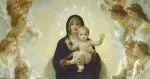
On the eighth day of Christmas, the Church dey honour Mary as Mother of God. As she dey hold the Child wey dem born for Bethlehem, she dey adore her Son, the eternal Son of the Father. Read the full reflection >>>
Roman Martyrology for January 1
The Blessed Virgin Mary, Mother of God
On the eighth day of Christmas, the Church dey honour Mary, Mother of God. Na from her the eternal Son receive His human nature. Read the full reflection >>>
Vatican News · Roman Martyrology (for Italian), January 1, no. 1
Burial of Saint Basil, bishop of Caesarea for Cappadocia
The Martyrology dey commemorate the death of Basil, bishop of Caesarea. The Church dey celebrate im memorial together with that of Saint Gregory Nazianzen on January 2. Read the full reflection >>>
Vatican News · Roman Martyrology (for Italian), January 1, no. 2
Saint Justin of Chieti, bishop
People dey venerate Justin for Chieti, for the Abruzzo region of Italy, where the cathedral dey bear im name. The Martyrology also link im memory with Campania and recall the zeal wey e take defend Christians. The evidence say people don dey venerate am from early times stronger than the evidence for the dates when e serve as bishop or the details of how e grow up.
Roman Martyrology (for Italian), January 1, no. 3
Saint Almachius, martyr for Rome
The Roman Martyrology dey remember Almachius because e stand against the fights wey gladiators dey fight for Rome. E record say na gladiators kill am. Theodoret of Cyrrhus tell a similar story about one monk wey e call Telemachus. Both accounts keep alive the memory of one Christian wey stand against the killing of people to entertain the public, but wetin dem talk about how e die no be exactly the same.
Roman Martyrology (for Italian), January 1, no. 4
Saint Oyend, abbot of Condat
Eugendus enter Condat monastery when e still be pikin, and as tradition talk am, e never leave the monastery. E grow become monk wey get deep knowledge and wey dey live strict life. Holy Scripture and the spiritual tradition wey the Jura monasteries pass down shape im life well well. As abbot, e strengthen the community and help am grow become place wey people fit find shelter when trouble shake the society. The devotion wey people show for im tomb get so much influence say the town wey surround am bear im name for centuries. Im life get connection with the early tradition of monks for Gaul. For there, monasteries become spiritual centres, and the way the monks dey pray, stay faithful to life for one monastery, and care for people with love shape whole regions.
Roman Martyrology (for Italian), 1 January, no. 5
Saint Fulgentius, bishop of Ruspe
Dem born Fulgentius for North Africa into family wey get high standing. E study languages and how to manage government affairs, and e serve as procurator before e make up im mind to live as monk. Later, e become bishop of Ruspe. E suffer serious hardship under the Vandal rulers wey dey promote Arianism; dem even send am go exile for Sardinia. Even so, e continue to teach the faithful and strengthen dem through im preaching and im writings on theology. People remember am as pastor and theologian. The courage wey e show as bishop go hand in hand with im discipline as monk and the way e stand firm as confessor of the faith.
Archdiocese of Tunis · Roman Martyrology (for Italian), 1 January, no. 6
Saint Clair, abbot of Saint-Marcel monastery for Vienne
Clair be abbot of Saint-Marcel monastery for Vienne, for the area wey be part of France today. Im monks remember am for the example wey e give dem by the way e live out the call wey all of dem share to prayer and religious life.
Roman Martyrology (for Italian), 1 January, no. 7
Saint Frobert, founder and first abbot of Moûtiers-la-Celle
People remember Frobert as the founder and first abbot of Montier-la-Celle, near Troyes. E establish the monastery for land wey King Clovis II give, and dem dedicate the monastery church to Saint Peter. E live for the seventh century, when monasteries be places where people dey learn about spiritual life and where Christian life get strong roots among the Franks. The monasteries shape the way people dey pray, learn and serve. The account of im life as saint wey somebody write later help people continue to remember am. Both the Catholic and the Orthodox calendars continue to honour am.
Roman Martyrology (for Italian), 1 January, no. 8
Saint Guillaume, abbot of Saint-Bénigne for Dijon
William be monk and abbot wey work to reform monasteries across Burgundy and Normandy. Im work follow closely the ideals of Cluny: to celebrate the liturgy with discipline, promote learning and renew the life of monks. E become abbot of Saint-Bénigne for Dijon, where e help make the abbey a centre of reform wey get plenty influence. According to tradition, e oversee many monasteries wey dey under the abbey. For im later years, e lead many communities with skill and a clear spiritual purpose. Im life show the two sides of an abbot work for the Middle Ages: to be papa to the monks and to help renew the life of the Church.
Roman Martyrology (for Italian), 1 January, no. 9
Saint Odilon, abbot of Cluny
Odilo be the fifth abbot of Cluny. E lead for several decades, as Cluny become one of the most important centres of monastic life for Western Europe and help many monasteries to reform and remain steady. E work for peace through efforts like the “Truce of God”. People remember am especially for the part wey e play to establish the Commemoration of All the Faithful Departed (All Souls’ Day) for the monasteries wey follow Cluny. Later, this practice spread far and wide. Tradition describe am as person wey live strict life but dey show other people mercy. When conflict and famine come, e lead with firmness and still care for the people with the tenderness of a shepherd.
Nominis (bishops of France) · Roman Martyrology (for Italian), 1 January, no. 10
Saint Zdislava, Wife and Mama
Zdislava na Catholic laywoman, wife and mama wey live for Bohemia for di thirteenth century. People know am for di generous way she take care of poor people and people wey dey sick. Even for di later part of di Middle Ages, di stories wey people pass down about her charity don already shape how dem see am. She belong to di Dominican spiritual family as member of di Third Order. People remember how she make family life holy through prayer, works of mercy, and di way she stand firm as she carry her responsibilities as wife and mama. Di Church declare am Blessed for 1907 and Saint for 1995. She still be one of di well-known saints of di Czech lands, and people dey ask for her intercession as patron saint when family matter hard.
Dicastery for di Causes of Saints · Roman Martyrology (for Italian), January 1, no. 11
Blessed Ugolino of Gualdo Cattaneo, hermit
Ugolino live as hermit for Gualdo Cattaneo for Umbria. Di people of di town keep im memory alive, and di Church dey honour am as one of di Blessed.
Roman Martyrology (for Italian), January 1, no. 12
Saint Giuseppe Maria Tomasi di Lampedusa, Theatine priest and cardinal
Tomasi come from noble family for Sicily, but e give up di privileges wey e inherit to become Theatine priest. Later e become cardinal. E live very simple life and e take im studies seriously. E give im life to di renewal of divine worship: e take great care to study and publish ancient liturgical texts. As e dey do dis work, e still show pastoral charity, especially as e dey teach children catechism, and humility show for im own life of devotion. Di Church declare am Blessed for 1803 and Saint for 1986. People often look up to am as patron for those wey study di liturgy well so dat dem fit pray more deeply and worship faithfully. Dem ordain Giuseppe Maria Tomasi di Lampedusa as priest for 1673.
Dicastery for di Causes of Saints · Roman Martyrology (for Italian), January 1, no. 13
Blessed Jean and René Lego, priests and martyrs
Jean-Baptiste and René Lego na brothers, and both of dem be priests for western France. Dem continue to serve di faithful during di French Revolution, and di authorities condemn dem because dem remain faithful to di Church. Dem die by guillotine on January 1, 1794. Di Church declare dem Blessed together with dia companions for 1984.
Roman Martyrology (for French), January 1, no. 14
Saint Vincenzo Maria Strambi, Passionist, bishop of Macerata and Tolentino
Strambi na Passionist priest wey people know well for im preaching and leadership. Dem appoint am bishop of Macerata-Tolentino for di early part of di nineteenth century. People come know am for di changes wey e make for pastoral work and di way e care for poor people. For Napoleon time, e refuse to swear di oath of loyalty wey di authorities demand from di clergy, and because of dis, dem send am go exile. Di stand wey e take show di kind of loyalty wey conscience guide, just as e be for many confessors of di faith for dat time. Di Church declare am Saint for 1950. People remember am as holy bishop wey stand firm for di faith and, like shepherd, take care of wetin im people need as e dey lead dem. Dem ordain Vincenzo Maria Strambi as priest for 1767.
Dicastery for di Causes of Saints · Roman Martyrology (for Italian), January 1, no. 15
Blessed Valentinus Paquay, Franciscan priest
Dem born Paquay for Belgium and give am di name Louis for baptism. E become Franciscan priest wey people know for im humility, prayer and preaching. Dem know am especially for di way e serve without tiring as e dey celebrate di Sacrament of Reconciliation and guide people for dia spiritual life. Vatican sources stress di charity wey e show as pastor and di trust wey people wey come for confession get for am. Wetin draw dem to am na im reputation for holiness and di patience wey e show as e dey treat people with mercy. Dem ordain Valentinus Paquay as priest for 1854.
Roman Martyrology (for Italian), January 1, no. 16
Saint Zygmunt Gorazdowski, priest wey found di Sisters of Saint Joseph
Dem born am for 1845 (for one region wey get connection for history with the places wey we know today as Ukraine and Poland). E first study law before e enter the Latin seminary for Lviv, and dem ordain am priest for 1871. Even though im body no strong throughout im life, e no let anything stop am from showing love to others. E be one of the first people wey organise work to help poor people and people wey need protection. E found one religious congregation (the Sisters of Saint Joseph), and e promote practical ways to uphold the dignity of every human being and defend human life. People remember im holiness especially for the way e care for people as pastor: prayer na the root of im tireless service, and wetin sustain am na the heart of a priest wey dey pay attention to wetin people really need. For 1884, e set up one community of Sisters of Saint Joseph to continue the works of mercy wey e don already start for Lviv.
Holy See · Roman Martyrology (for Italian), January 1, no. 17
Blessed Marian Konopiński, martyr for Dachau
Marian Konopiński na Polish diocesan priest wey belong to the Archdiocese of Poznań. E die for Dachau concentration camp on January 1, 1943, after the camp authorities force am to undergo experiments wey dem claim say na medical research. The Church dey honour am as one of the 108 Martyrs of World War II. The short accounts about am focus on the main facts about im priesthood, the time wey e spend for prison, and im death. But the witness wey e give with im life na part of the wider story of how the Nazis persecute members of the clergy. As the Church dey remember am, e stand as example of wetin e mean to remain faithful even for suffering: e live im life as priest reach the very end as gift wey e offer to Christ. Dem ordain Marian Konopiński priest for 1932.